

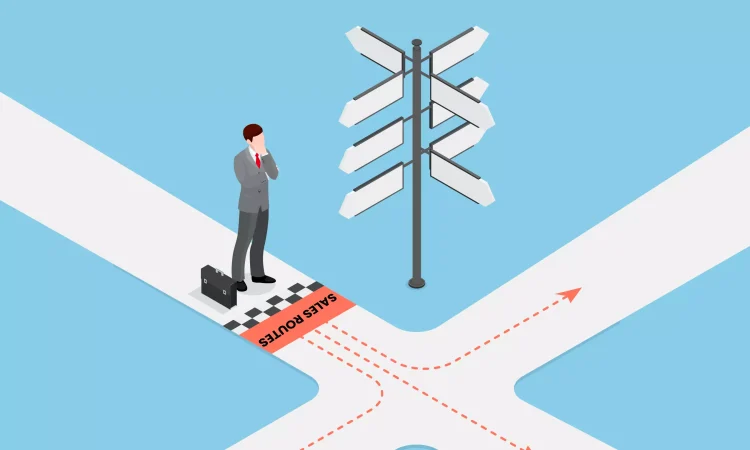

Field sales work looks simple from the outside until you actually spend a week riding along with a rep. The day rarely unfolds the way it was planned. Meetings run late. Customers cancel. Traffic turns a twenty-minute drive into fifty. Somebody asks for a last-minute stop across town and suddenly the whole schedule feels shaky.
That’s one reason more companies are turning to a sales route app to keep their field teams organized without creating even more admin work. Find out more about sales route apps and top tools on the market in this guide. The real value isn’t just route planning, honestly. It’s the way these systems help teams regain control of the day before things spiral into chaos by lunchtime.
Without structured routing, reps tend to build schedules on instinct. Sometimes that works. Sometimes it leads to wasted miles, rushed appointments, forgotten follow-ups, and way too much windshield time. Over a month, those small inefficiencies quietly pile up into hours and hours lost on the road. People feel that exhaustion. A lot of field reps finish the day mentally drained before they even start entering notes or updating customer records at night. And when teams operate like that long enough, mistakes creep in. Missed opportunities too.
Sales route app systems help reps spend more time with customers
One sales manager explained it pretty bluntly after switching platforms. He said his reps stopped “living inside their GPS all day.” That line stuck because it’s surprisingly accurate. Bad routing forces reps into constant decision-making. Which stop comes next? Is there a faster route? Can another account fit into the afternoon schedule? Should they skip lunch to make up lost time from traffic earlier?
A sales route app removes a lot of those tiny mental calculations. Routes become cleaner. Territories feel more manageable. Reps stop doubling back across the same areas because appointments are grouped more intelligently. And when the day feels less frantic, customer interactions improve naturally. People slow down enough to actually listen during meetings.
That matters more than companies sometimes realize. Customers can tell when a rep is distracted and trying to rush out the door for the next stop. They can also tell when somebody’s calm, prepared, and fully present during the conversation. The better route structure creates room for that.
Sales route app tools improve accountability without constant pressure
One challenge with managing field teams is figuring out what’s really happening across territories without drowning everyone in check-in calls and status meetings. Managers want visibility. Reps want autonomy. Those two things don’t always coexist very gracefully.
A sales route app helps balance both. Instead of repeatedly asking where people are or whether certain accounts were visited, managers can simply view activity as it happens. Routes, stops, notes, and completed visits become part of the normal workflow instead of separate reporting tasks reps have to remember later at night.
That shift changes team culture in subtle ways. Communication gets cleaner because fewer details slip through the cracks. Territory gaps become easier to spot. Reps also gain better awareness of their own schedules and coverage patterns instead of operating purely from memory. And honestly, less confusion usually leads to better morale. People feel more in control of the day when they aren’t constantly improvising every hour. You can explore more tools built for field teams at https://repmove.app/
